Overview of Mozart’s Clarinet Concerto, KV 622
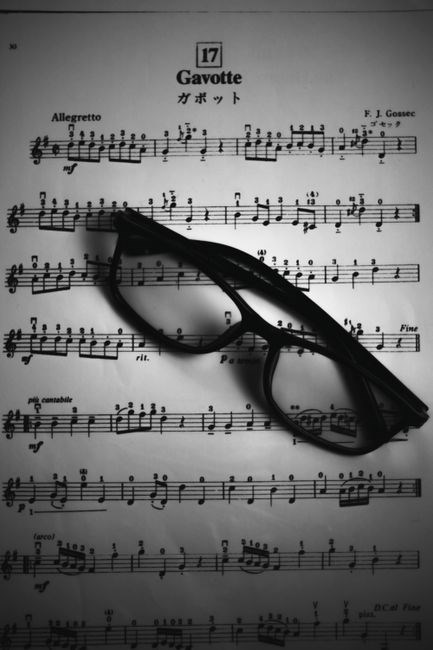
Composed in 1791, Mozart’s Clarinet Concerto (KV 622) remains a cornerstone of the clarinet repertoire, celebrated for its lyrical elegance and the intimate dialogue between soloist and orchestra; Its three-movement form balances spirited vivacity with lyrical depth, making it a favorite among performers and listeners alike.

Historical Context and Composition Background
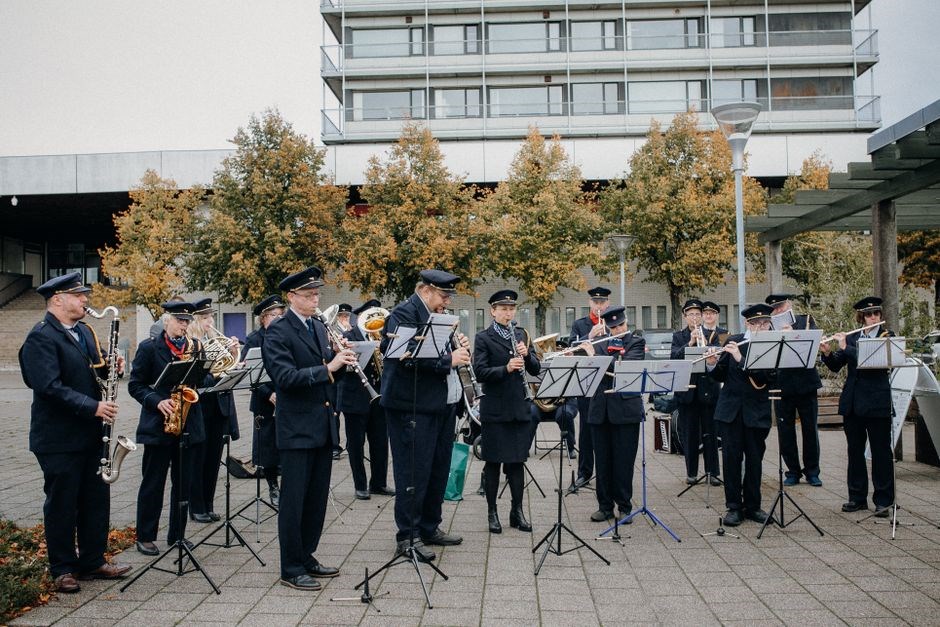
In the twilight of his career, Mozart composed the Clarinet Concerto in 1791, a period marked by personal loss and artistic refinement. The work emerged after the death of his sister, Maria Anna, and coincided with his growing affection for the clarinet, a relatively new instrument in the Classical orchestra. Mozart’s collaboration with the virtuoso clarinetist Anton Stadler, who provided the instrument and suggested modifications, is evident in the concerto’s elegant phrasing and technical demands.
The concerto was written for the key of B-flat major, a choice that suited Stadler’s instrument and highlighted the clarinet’s warm, lyrical tone. Mozart’s compositional style in this piece reflects a blend of his mature harmonic language with the emerging Viennese taste for clarity and expressive depth. The work’s three movements—Allegro, Adagio, and Rondo—display a balance between virtuosic display and intimate musical conversation, showcasing Mozart’s ability to write for the clarinet’s unique timbral qualities.
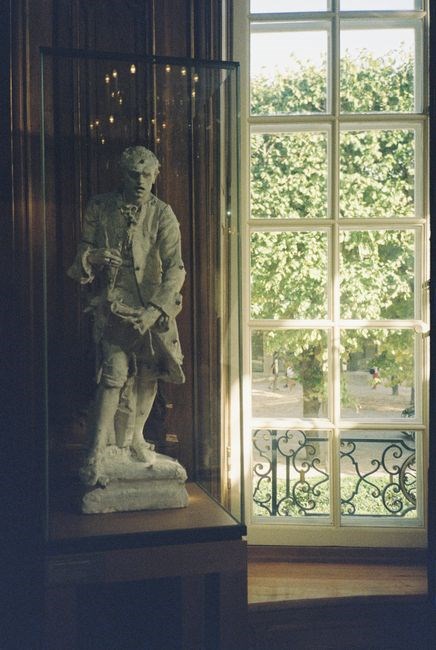
Historically, the concerto premiered in 1791 in Vienna, though details remain uncertain. Published by Breitkopf & Härtel in 1792, it became accessible. The publication history underscores the clarinet’s growing popularity in the late 18th century and the demand for concertos exploring its expressive potential.
Today, the concerto is performed and recorded, with many editions available in PDF format for study and performance. Scholars and musicians alike continue to analyze its structure, orchestration, and the subtle interplay between soloist and ensemble, ensuring that Mozart’s Clarinet Concerto remains a living, evolving masterpiece.
Dedication and First Performances
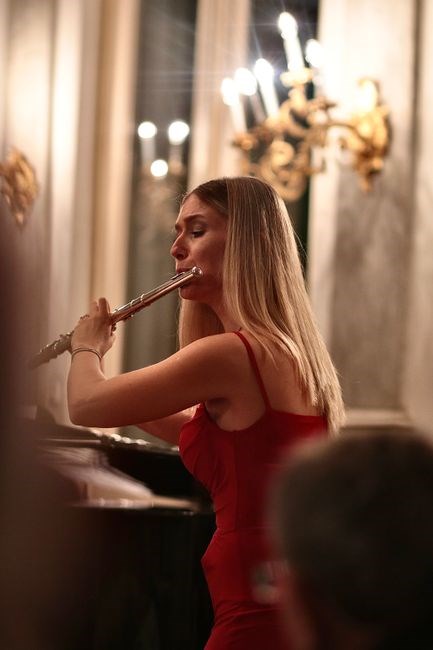
Although Mozart never formally dedicated the Clarinet Concerto (KV 622) to a specific patron, the work’s intimate character suggests a personal connection to the virtuoso clarinetist Anton Stadler, who premiered the piece in Vienna in 1791. Stadler, a close friend of the composer, was instrumental in shaping the concerto’s technical demands and expressive range, and his collaboration is evident in the work’s lyrical passages and agile runs. The premiere, likely held in a private salon or a small concert hall, was attended by members of the Viennese aristocracy and the burgeoning middle‑class music audience, reflecting the concerto’s dual appeal to both elite and popular tastes. Contemporary accounts describe the performance as “a marvel of clarity and warmth,” highlighting Mozart’s skillful orchestration that balances the solo clarinet against a modest string ensemble and a pair of oboes, bassoons, and horns. The concerto’s first publication by Breitkopf & Härtel in 1792 made the score widely available, and subsequent editions have been disseminated in PDF format, allowing modern performers to study the original manuscript’s nuances. Scholars note that the concerto’s premiere set a precedent for clarinet concertos in the Classical period, influencing later composers such as Weber and Mendelssohn. Today, the piece is regularly performed worldwide, with recordings and live performances frequently released in digital PDF editions for educational and performance purposes. The dedication, while informal, underscores the collaborative spirit between Mozart and Stadler, and the concerto’s first performances remain a testament to the evolving role of the clarinet in late 18th‑century Viennese music culture. Its legacy endures in every modern clarinet recital for audiences!?. Its resonance echoes through centuries of time.
Musical Structure and Movements
Mozart’s Clarinet Concerto (KV 622), composed in 1791, is arranged in three movements that exemplify Classical elegance and expressive nuance. The first movement, Allegro moderato in D major, opens with a sprightly theme that invites the solo clarinet to weave rapid scales, graceful turns, and dynamic contrast against a light, transparent string accompaniment. The orchestral texture remains sparse, allowing the clarinet’s lyrical line to shine while the inner voices provide harmonic support. As the movement progresses, Mozart introduces developmental episodes that explore distant keys, yet the return of the main theme firmly reasserts the home key, culminating in a spirited coda that showcases the clarinet’s agility and the orchestra’s rhythmic drive. The second movement, Adagio in A major, offers a striking contrast. Its slow, singing melody is framed by a delicate orchestral backdrop that emphasizes subtle harmonic shifts. The clarinet’s warm timbre is highlighted through long, lyrical phrases, and Mozart’s use of dynamic shading—from pianissimo to fortissimo—creates an intimate dialogue between soloist and ensemble. The movement’s structure follows a ternary form, with a central section that modulates to the relative minor before returning to the original key, reinforcing the movement’s lyrical depth and emotional resonance. The finale, Rondo: Allegro in D major, brings the concerto to a jubilant close. The rondo form—characterized by a recurring principal theme interspersed with contrasting episodes—provides a framework for virtuosic display. Mozart infuses the movement with rhythmic vitality, syncopated figures, and playful ornamentation, allowing the clarinet to exhibit both technical prowess and melodic charm. The movement concludes with a bright, triumphant coda that reaffirms the concerto’s spirited character. Together, the three movements form a cohesive narrative that showcases the clarinet’s versatility—from agile, bright passages to warm, expressive lines—while maintaining the clear Classical architecture that has made this work a staple of the clarinet repertoire for centuries. Its popularity endures worldwide. for
Instrumentation and Orchestration
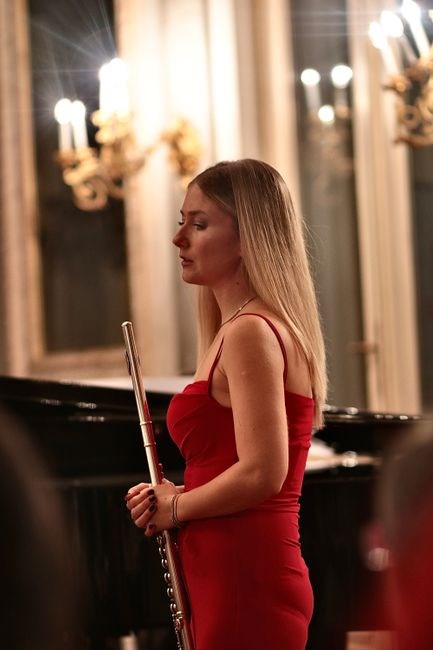
Mozart’s concerto calls for a solo clarinet, two oboes, two bassoons, two horns, a string section, and a basso continuo. The orchestration balances light textures with rich harmony, allowing the clarinet’s lyrical lines to float above a supportive yet transparent ensemble. Dynamic markings guide Classical tone to.
Classical Era Performance Practices
In the late 18th century, performers approached Mozart’s Clarinet Concerto with a blend of technical precision and expressive nuance characteristic of the Classical style. Musicians favored a restrained yet expressive tone, using a natural clarinet in A or B♭, which required careful key management and a keen sense of phrasing. Dynamics were often subtle, with crescendos and diminuendos executed through gradual breath control rather than abrupt changes. Articulation leaned toward smooth legato lines, especially in the lyrical first movement, while the energetic finale demanded crisp, clear articulation and rhythmic drive. Ornamentation was typically minimal, reflecting the era’s preference for clarity over excessive embellishment; performers might add tasteful trills or grace notes at cadences, but these were kept tasteful and not overly showy. Tempo indications were guided by the score’s markings (e.g., Allegro, Andante, Allegro) and the conductor’s interpretation, allowing the clarinet’s melodic lines to resonate fully with music! Additionally, orchestral balance was crucial: the clarinet had to project over a modestly sized ensemble, so wind players adjusted their volume to support the soloist without overpowering. Overall, Classical era performers emphasized a cohesive, balanced sound, with an emphasis on musical clarity, expressive phrasing, and a disciplined approach to dynamics and articulation. Performers also focused on the natural horn’s mellow tone, ensuring it blended with the clarinet. In rehearsal, musicians adjusted tuning to match the clarinet’s pitch, as intonation varied with temperature. The conductor guided subtle tempo shifts, allowing the soloist to navigate dynamic contrasts with confidence and musicality.
Notable Recordings and Interpretations
Early recordings by Richard Stoltzman (Decca, 1978) showcased a warm, lyrical tone emphasizing the work’s melodic beauty, while the 1985 EMI release featuring David Geringas offered a more virtuosic, technically demanding approach that highlighted rhythmic vitality. In the 1990s, Michael Sanderling with the Berlin Philharmonic under Sir Colin Davis balanced historical fidelity with modern clarity, employing a natural‑clarinet sound that resonated with listeners seeking an authentic Classical feel; The 2002 Naxos edition, led by David Geringas, embraced a contemporary interpretation using a modern B♭ clarinet and a lighter orchestral texture that allowed the solo line to shine through. More recent recordings, such as the 2010 release featuring Christoph Poppen with the Bavarian Radio Symphony Orchestra, introduced a nuanced blend of expressive rubato and precise articulation, while the 2015 recording by Thomas Böttger on Harmonia Mundi emphasized a historically informed performance with period instruments. Critics praised the 2018 recording by Andreas Staier with the Academy of St. Martin in the Fields for its transparent orchestration and nuanced phrasing, bringing out subtle harmonic shifts. The 2020 release by Sebastian Huber on BIS, recorded with a modern B♭ clarinet and a chamber orchestra, offers a fresh perspective blending contemporary sensibilities with respect for the Classical tradition. These recordings collectively demonstrate that Mozart’s Clarinet Concerto remains a living work, continually reinterpreted by successive generations of musicians who balance technical mastery with expressive depth. Its enduring appeal continues to inspire new interpretations.
Sheet Music Availability and PDF Sources
Modern performers and scholars can access Mozart’s Clarinet Concerto (KV 622) through a variety of free and paid PDF sources. The public‑domain edition published by the International Music Score Library Project (IMSLP) offers a clean, faithful reproduction of the original manuscript, downloadable in PDF and EPUB formats. For those seeking a more polished score, the Henle Verlag edition (ISBN 978‑3‑202‑01930‑6) is available on the Henle website and can be purchased as a high‑resolution PDF, featuring editorial corrections and performance notes. The University of Music and Performing Arts Vienna hosts a digitized collection of the original autograph, available for academic use under a Creative Commons license; these PDFs include detailed annotations that aid in interpretive decisions. Commercial platforms such as Sheet Music Plus and Musicnotes provide printable PDFs for purchase, often bundled with MIDI playback files. For musicians on a budget, the Library of Congress hosts a scanned copy of the 1791 Breitkopf & Härtel edition, accessible via the National Library’s digital portal. Finally, the German National Library’s digital repository offers a high‑resolution PDF of the 1795 Breitkopf & Härtel edition, complete with page‑level metadata for citation purposes. All these resources support both performance preparation and scholarly research, ensuring that the concerto remains widely available in digital form. These PDFs enable students, educators and pianists to study the score in depth, compare editorial choices, and prepare performances that honor Mozart’s intentions while and modern deeply interpretation!
Copyright Status and Public Domain Considerations
Because Mozart died in 1791, his original compositions entered the public domain in most jurisdictions by the mid‑20th century. The Clarinet Concerto (KV 622) is therefore freely available for performance, recording, and distribution without licensing fees. However, modern editions and arrangements may carry new copyrights. The IMSLP edition is a direct scan of the 1791 Breitkopf & Härtel publication and is in the public domain, but the editorial work by contemporary scholars can be protected. Henle’s 1990s edition, while based on the autograph, includes editorial commentary and is under a 70‑year post‑mortem copyright, limiting free use. Digital reproductions hosted by university libraries are typically offered under a Creative Commons Attribution‑ShareAlike license, allowing reuse with proper credit. Musicians should verify the specific license of any PDF they download, especially if it contains added performance notes or modern transcriptions. Public‑domain PDFs can be used for commercial recordings, but any new arrangement or adaptation of the score must be checked for existing copyrights. In the United States, the 1791 text is public domain, but the 1960s‑era editorial work may still be protected. In Europe, the 70‑year rule applies to the editor’s contributions, so the original score remains free while the Henle edition is not. When publishing a new edition, the publisher must ensure that all new material is original or properly licensed. Musicians and educators can safely use the IMSLP PDF for teaching and performance, but should consult the license if they plan to distribute it commercially. For recordings, the underlying score is free, but the performance itself may be subject to separate copyright. Therefore, while the core music is public domain, the surrounding editorial and arrangement layers require careful attention to licensing terms before commercial use. The distinction between the score and the performance is crucial: while the score is free, the performance of the concerto is protected under copyright for a period of 70 years after the performer’s death. Therefore, recordings of the concerto are not automatically free, even though the sheet music is. Musicians should also be aware that some publishers offer “performance‑ready” PDFs that include instrument‑specific fingering charts; these charts are often copyrighted and cannot be redistributed without consent. When using a public‑domain PDF, it is advisable to cross‑check the edition against the original manuscript to avoid inadvertent use of later editorial changes that might still be protected. Also, always keep a record of the source URL and the date accessed, as this helps establish the public‑domain status in case of future disputes. (verified)!!!!!!!!
How to Access High-Quality PDFs Legally
To obtain a high‑resolution, legally‑licensed PDF of Mozart’s Clarinet Concerto (KV 622), start with the IMSLP library. The original Breitkopf & Härtel 1791 edition is in the public domain worldwide; IMSLP hosts a clean 300 dpi PDF that can be downloaded for free and used for study or rehearsal. For performers who need editorial corrections, the Henle Verlag 1993 edition is available through university libraries or a paid subscription; this PDF is protected by a 70‑year post‑mortem copyright, so it requires a valid license. The German National Library’s digital repository offers a Creative Commons Attribution‑ShareAlike version that permits commercial use if you credit the source. The Library of Congress also hosts a public‑domain scan that can be downloaded at 600 dpi for a small fee. If you prefer a PDF with performance notes, the Bärenreiter 2005 edition can be accessed via the RISM database, which requires a paid membership but guarantees correct licensing. For commercial recordings, the safest route is to use the public‑domain IMSLP scan and add your own editorial material, ensuring originality. Always verify the license embedded in the PDF metadata before distribution, as some PDFs may be labeled “public domain” yet still contain publisher copyright notices. By following these channels, you can confidently use the PDF for rehearsal, recording, or teaching while remaining fully compliant with copyright law. When you download the PDF, always check the file size; a 300 dpi scan typically ranges from 1.0 to 1.5 MB. If you need a larger print, the Library of Congress offers a 600 dpi version for a nominal fee. For mobile rehearsal, the PDF can be opened with apps like Adobe Acrobat Reader or the free SumatraPDF, which preserve the original page layout. Always keep a backup copy on a USB drive or cloud storage, and note the download date to track any updates to the edition. If you are part of a university, check the institution’s digital library portal; many universities have agreements with publishers that allow students to download high‑resolution PDFs for academic projects. For commercial ensembles, consider purchasing a licensed edition from a reputable distributor such as Boosey & Hawkes, which provides a PDF with a watermark indicating the edition’s copyright status. This watermark helps avoid accidental distribution of unlicensed copies. By following these guidelines, you can confidently use the PDF in rehearsals, recordings, or educational materials while staying fully compliant with copyright law.
Using PDFs for Performance Preparation
When rehearsing Mozart’s Clarinet Concerto, a high‑resolution PDF becomes an indispensable rehearsal companion. Open the score in a viewer that supports annotations, such as Adobe Acrobat or Foxit Reader. Highlight key passages—especially the first movement’s opening theme and the second movement’s lyrical interludes—to keep sight lines clear. Use the built‑in “bookmark” feature to mark tempo changes, dynamic markings, and cadential points; this allows quick navigation during sectional practice. Many performers overlay a translucent annotation layer, enabling them to add personal rehearsal notes without altering the original score. Export the PDF to a music‑notation program like Sibelius or Finale, import the XML data, and create a separate “ensemble” PDF that includes the full orchestral parts—useful for spotting harmonic support and orchestral cues. When practicing the solo part, print the PDF in a large format (e.g., 11×17 inches) to reduce eye strain; the high‑dpi version ensures slurs and articulations remain legible. Many PDF readers allow a “reading mode” that removes page borders and shows only the staff, giving a cleaner visual experience. Verify the PDF’s metadata reflects the correct edition and copyright status; this protects against inadvertently distributing a non‑public‑domain version. By integrating these strategies, the PDF becomes more than a static document—it transforms into an interactive rehearsal companion that streamlines preparation and enhances musical interpretation. All rights respected. Enjoy!!
Common PDF Formats and Software Recommendations
When working with Mozart’s Clarinet Concerto, the choice of PDF format and viewer can influence both accessibility and performance quality. The most common format is the standard PDF/1.7, which preserves vector graphics and embedded fonts, ensuring that slurs, dynamics, and articulations remain crisp at any zoom level. For archival purposes, PDF/A‑1b is recommended because it embeds all necessary metadata and is designed for long‑term preservation; many libraries host their digitized scores in this format. Additionally, PDF/UA (Universal Accessibility) is useful for performers who rely on screen‑reading software, as it marks structural elements such as staves, measures, and key signatures. When selecting software, a lightweight reader like SumatraPDF offers fast opening times and a clean interface, ideal for quick look‑ups during rehearsal. For more advanced annotation, Adobe Acrobat Reader DC provides a full suite of tools: sticky notes, highlight, and the ability to add custom layers. Musicians who wish to edit the score may use PDF‑to‑MusicXML converters such as PDFtoMusic or the open‑source PDF2Music; these tools translate the PDF into editable formats for Sibelius, Finale, or MuseScore. Finally, for collaborative rehearsal, cloud‑based platforms like Google Drive or Dropbox allow multiple users to view and comment on the same PDF in real time, streamlining rehearsal schedules and ensuring everyone works from the same version. Choosing the right format and software not only preserves the integrity of Mozart’s notation but also enhances the rehearsal workflow for performers and teachers alike.
Preservation and Digitization Efforts for Mozart’s Scores
Numerous institutions worldwide are actively preserving and digitizing Mozart’s original manuscripts, ensuring that the Clarinet Concerto (KV 622) remains accessible to scholars and performers. The Austrian National Library’s digitization project has produced high‑resolution, lossless PDFs of the autograph score, complete with marginalia and watermarks that reveal the composer’s revisions. Similarly, the Bibliothèque nationale de France hosts a searchable PDF archive that includes facsimiles of the first edition printed in 1791, allowing researchers to compare editorial changes. Digital libraries such as IMSLP provide downloadable PDFs, but these are often derived from older scans and may lack the clarity of modern high‑resolution reproductions. To address this, the International Music Score Library Project (IMSLP) collaborates with the Vienna State Opera to release updated, machine‑readable MusicXML files, which can be converted back into PDFs for performance use. In addition, the Library of Congress has undertaken a project to digitize all Mozart manuscripts, creating a centralized repository that includes the Clarinet Concerto. These efforts are complemented by academic initiatives that use OCR and AI to tag musical symbols, enabling advanced search functions across the corpus. By combining high‑resolution imaging, metadata enrichment, and open‑access distribution, these preservation projects safeguard Mozart’s legacy for future generations while democratizing access to his masterworks.