NCAA Division I Manual: A Comprehensive Overview (Updated 04/21/2026)
Today’s date is 04/21/2026 14:52:26. This manual serves as the governing document for all NCAA Division I institutions, outlining rules and regulations for collegiate athletics and student-athlete welfare.
The NCAA Division I Manual represents the cornerstone of collegiate athletics governance in the United States. Updated as of April 21, 2026, this comprehensive document details the rules, regulations, and policies governing the approximately 351 institutions and their student-athletes participating in Division I sports. It’s a dynamic resource, constantly evolving to address the changing landscape of intercollegiate athletics.
This manual isn’t merely a collection of rules; it’s a framework designed to ensure fair play, academic integrity, and the well-being of student-athletes. It provides a consistent set of standards across all institutions, fostering a competitive environment built on ethical principles. The manual covers a vast range of topics, from eligibility requirements and recruiting guidelines to financial aid regulations and enforcement procedures.
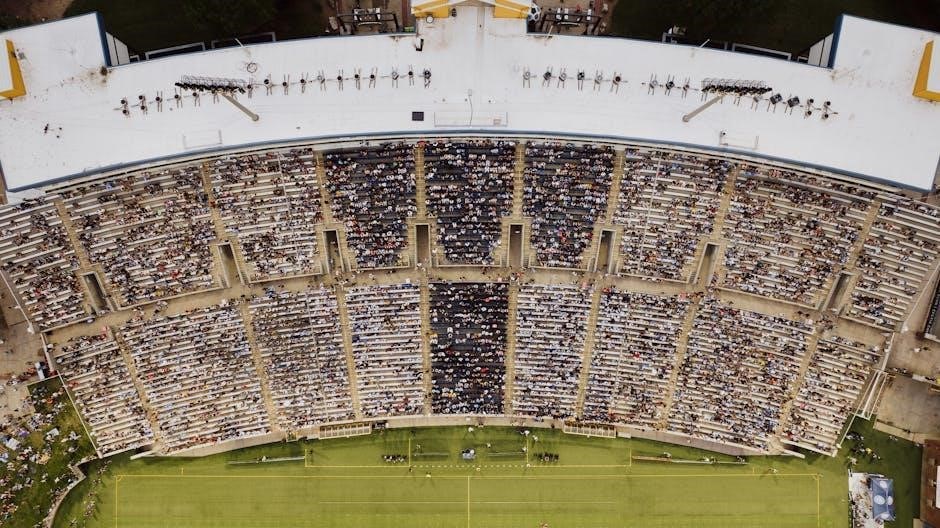
Understanding the NCAA Division I Manual is crucial for all stakeholders – administrators, coaches, student-athletes, and boosters alike. Compliance with these regulations is paramount, and institutions are held accountable for upholding the standards outlined within. The manual’s complexity necessitates ongoing education and interpretation to navigate the intricacies of collegiate athletics effectively. It’s a living document, reflecting the NCAA’s commitment to maintaining the integrity of its member institutions and the student-athletes they serve.
II. Core Principles and Governance
The foundation of NCAA Division I rests upon several core principles: amateurism, academic comparability, athletic equity, and governance. These principles guide the decision-making processes and shape the regulatory framework outlined in the Division I Manual, updated on April 21, 2026. Governance within Division I is a multi-layered system designed to ensure broad representation and effective oversight.
The NCAA Board of Directors holds ultimate authority, establishing broad policy and strategic direction. Below the Board are various committees – including the Division I Council – responsible for specific areas such as rules compliance, championships, and student-athlete welfare. These committees are comprised of representatives from member institutions, ensuring diverse perspectives are considered.
A key aspect of Division I governance is the emphasis on institutional control. Each institution is responsible for ensuring its athletic programs operate in compliance with NCAA regulations. This includes establishing internal policies, educating staff and student-athletes, and monitoring activities to prevent violations. The principles of fairness, integrity, and sportsmanship are central to the governance structure, aiming to create a level playing field and protect the interests of all involved.
III. NCAA Bylaws: The Foundation of Collegiate Athletics
NCAA Bylaws, meticulously detailed within the Division I Manual (updated 04/21/2026), represent the comprehensive set of rules governing intercollegiate athletics. These bylaws aren’t merely suggestions; they are legally binding regulations that all member institutions, coaches, and student-athletes must adhere to. The bylaws cover a vast spectrum of topics, from eligibility and recruiting to financial aid and compliance.
The structure of the bylaws is hierarchical, with constitutionally-based principles forming the bedrock, followed by operational bylaws that provide specific guidance. Regular updates and interpretations are issued by the NCAA to address evolving issues and clarify existing rules. Understanding these bylaws is crucial for maintaining a fair and equitable competitive environment.
Key areas addressed include amateurism standards, ensuring student-athletes retain their collegiate eligibility, and guidelines for permissible benefits. Bylaws also dictate the parameters for official and unofficial visits, communication with prospective athletes, and the reporting of any potential violations. Strict adherence to these bylaws is paramount for preserving the integrity of collegiate athletics and upholding the principles of fair play.
IV. Eligibility Requirements for Student-Athletes
Maintaining eligibility is a cornerstone of participation in NCAA Division I athletics, as outlined in the current manual (updated 04/21/2026). These requirements are multi-faceted, encompassing both academic and amateurism standards. Student-athletes must demonstrate satisfactory progress toward a bachelor’s degree, adhering to minimum course load and GPA requirements established by the NCAA and their respective institutions.
Initial eligibility is determined through the NCAA Eligibility Center, which verifies academic credentials and standardized test scores. Once enrolled, continued eligibility hinges on maintaining academic good standing and compliance with NCAA rules regarding financial aid, benefits, and outside competition. The manual details specific criteria for each sport, acknowledging variations in academic demands and competitive schedules.
Furthermore, student-athletes must uphold the principles of amateurism, refraining from accepting impermissible benefits that could compromise their eligibility. Recent changes regarding Name, Image, and Likeness (NIL) have added complexity, requiring careful navigation of evolving regulations. Consistent monitoring and adherence to these eligibility standards are vital for both the student-athlete and the institution.
V. Academic Eligibility Standards
The NCAA Division I Manual (updated 04/21/2026) establishes rigorous academic eligibility standards, ensuring student-athletes prioritize their education. Initial eligibility requires graduating from high school and meeting specific core-course requirements determined by the NCAA Eligibility Center. These core courses must include a defined distribution across subjects like English, math, natural sciences, social sciences, and foreign language.
Furthermore, prospective student-athletes must achieve a minimum qualifying GPA based on these core courses, alongside a corresponding score on either the ACT or SAT. Sliding scales exist, linking GPA and test score requirements to provide flexibility. Once enrolled, continued eligibility demands maintaining a minimum GPA, typically 2.0, and making satisfactory progress toward a degree by completing a specified number of credit hours each academic term.
The manual also addresses academic performance rate (APR), a metric used to assess the academic performance of student-athletes. Institutions face penalties if their APR falls below established thresholds. These standards aim to foster a culture of academic success and ensure student-athletes are genuinely students first, athletes second.
VI. Amateurism and Name, Image, and Likeness (NIL)
The NCAA Division I Manual (updated 04/21/2026) reflects a significant shift in the landscape of collegiate athletics regarding amateurism. Historically, NCAA rules strictly prohibited student-athletes from profiting from their name, image, and likeness (NIL). However, recent changes, driven by legal challenges and evolving societal norms, now permit student-athletes to benefit from NIL opportunities.
The current framework, outlined in the manual, allows student-athletes to engage in NIL activities – endorsements, sponsorships, appearances – without jeopardizing their eligibility, provided they adhere to specific guidelines. These guidelines generally prohibit pay-for-play arrangements and ensure NIL activities do not conflict with team obligations or institutional policies.
Institutions are tasked with developing and enforcing their own NIL policies, consistent with state laws and NCAA interim guidance. The manual emphasizes transparency and disclosure, requiring student-athletes to report NIL agreements to their institutions. Ongoing monitoring and enforcement are crucial to maintain a fair and equitable environment, preventing undue influence and ensuring the integrity of collegiate competition;
VII. Recruiting Regulations
As detailed in the NCAA Division I Manual (updated 04/21/2026), recruiting regulations are central to maintaining a level playing field and ethical competition. These rules govern all interactions between athletic department staff and prospective student-athletes, aiming to prevent undue influence and ensure academic standards are prioritized.
The manual meticulously defines permissible and prohibited recruiting activities. These include restrictions on contact, communication frequency, and the types of inducements that can be offered. Strict guidelines apply to both official and unofficial visits, outlining allowable expenses and supervision requirements. Emphasis is placed on ensuring recruits make informed decisions based on academic and athletic fit, rather than financial incentives.
Institutions are responsible for educating coaches, staff, and boosters on these complex regulations. Violations can result in significant penalties, including recruiting restrictions, scholarship reductions, and even postseason bans. The manual stresses proactive compliance and a commitment to ethical recruiting practices, safeguarding the integrity of the Division I recruiting process and fostering fair competition amongst institutions.

VIII. Official and Unofficial Visits
According to the NCAA Division I Manual (updated 04/21/2026), official and unofficial visits are carefully regulated components of the recruiting process. An official visit is a trip to a college campus paid for by the institution, subject to strict limitations on expenses like transportation, lodging, and meals. These visits are typically granted to a limited number of high-priority recruits.
Conversely, an unofficial visit is arranged and funded by the prospective student-athlete or their family. While institutions can provide permissible informational materials and campus tours during unofficial visits, they cannot cover any associated costs. The manual details specific rules regarding the number of official visits a recruit can take and the permissible activities during both types of visits.
Regulations cover who can accompany recruits on visits, restrictions on entertainment, and the prohibition of any benefits beyond those explicitly permitted. Institutions must meticulously document all official visits to ensure compliance. These guidelines aim to create a standardized and equitable experience for all prospective student-athletes, preventing undue influence and promoting fair recruiting practices.
IX. Communication Rules with Prospective Student-Athletes
As outlined in the NCAA Division I Manual (updated 04/21/2026), communication between college coaches and prospective student-athletes is heavily regulated to ensure fair recruiting practices. Restrictions govern when coaches can initiate contact, how they can communicate (e.g., phone calls, emails, text messages, social media), and what they can say.
Specific rules dictate permissible contact periods, evaluation periods, and quiet periods, each with varying levels of allowed communication. Coaches are prohibited from making off-campus contacts before a prospective student-athlete enters their junior year of high school, with limited exceptions. The manual details specific content restrictions, preventing coaches from making promises of athletic scholarships or guarantees of playing time.
Furthermore, rules address communication with high school coaches and counselors. All communication must adhere to strict guidelines regarding inducements and impermissible benefits. Institutions are responsible for monitoring coach communications to ensure compliance, and violations can result in significant penalties. These regulations aim to level the playing field and protect prospective student-athletes from undue pressure.
X. Compliance and Enforcement
According to the NCAA Division I Manual (updated 04/21/2026), maintaining compliance with NCAA bylaws is paramount for all member institutions. This section details the responsibilities of institutions to establish and enforce a comprehensive compliance program. These programs must include robust monitoring systems, educational initiatives for coaches, staff, and student-athletes, and clear reporting mechanisms for potential violations.
Institutional control is a core principle, meaning universities are accountable for the actions of all individuals associated with their athletic programs. The manual outlines procedures for investigating potential violations, ranging from minor infractions to major breaches. When violations are suspected, institutions are required to conduct thorough internal investigations and self-report to the NCAA.
The NCAA’s enforcement staff investigates reported violations and has the authority to impose penalties, including fines, scholarship reductions, recruiting restrictions, and postseason bans. The Committee on Infractions (COI) adjudicates major cases, ensuring due process for involved parties. Consistent enforcement is crucial for upholding the integrity of collegiate athletics and ensuring a level playing field.
XI. Institutional Control and Responsibility
As detailed in the NCAA Division I Manual (updated 04/21/2026), institutional control represents a foundational tenet of NCAA governance. It mandates that each member institution assume and demonstrate responsibility for its intercollegiate athletics program and the actions of all individuals associated with it. This extends beyond coaches and athletes to include administrators, boosters, and other third-party entities.
Effective institutional control requires a clearly defined organizational structure, with designated individuals responsible for overseeing compliance. Institutions must establish and enforce policies that promote ethical conduct and adherence to NCAA bylaws. Comprehensive educational programs are essential to ensure that all personnel understand their obligations and the potential consequences of violations.
Furthermore, institutions are expected to proactively monitor their athletic programs to detect and prevent rule infractions. This includes conducting regular audits, reviewing financial records, and implementing robust reporting systems. Failure to exercise adequate institutional control can result in severe penalties from the NCAA, impacting the institution’s reputation and athletic competitiveness.
XII. NCAA Investigations and Penalties
According to the NCAA Division I Manual (updated 04/21/2026), the NCAA’s enforcement program is designed to maintain the integrity of collegiate athletics. Investigations are initiated based on credible allegations of violations of NCAA bylaws. These allegations can originate from various sources, including member institutions, conferences, or media reports.
The NCAA employs a thorough investigative process, gathering evidence through interviews, document reviews, and other investigative techniques. Institutions are obligated to cooperate fully with NCAA investigations, providing access to relevant information and personnel. If violations are confirmed, the NCAA imposes penalties designed to be proportionate to the severity of the infraction.

Penalties can range from institutional reprimands and fines to postseason bans and scholarship reductions. Individual penalties may include suspensions of competition or ineligibility for future participation. The NCAA Committee on Infractions makes the final determination of penalties, considering all relevant factors and ensuring due process for all involved parties. Transparency and fairness are paramount throughout the enforcement process.
XIII. Financial Aid and Scholarships
As detailed in the NCAA Division I Manual (updated 04/21/2026), financial aid regulations are crucial for maintaining fairness and equity in collegiate athletics. The NCAA establishes guidelines governing the types and amounts of financial assistance that can be provided to student-athletes. These regulations aim to prevent undue influence and ensure that athletic scholarships are awarded based on legitimate athletic and academic criteria.
Athletic scholarships can cover tuition, fees, room and board, and course-related expenses. However, the NCAA sets limits on the total value of athletic scholarships, and institutions must adhere to these limits. Financial aid packages must be transparent and clearly outline the components of the scholarship. Booster and donor involvement in financial aid is strictly regulated to prevent impermissible benefits.
The manual also addresses the complexities of financial aid for international student-athletes and those with unique financial circumstances. Institutions are responsible for ensuring compliance with all NCAA financial aid regulations and for providing student-athletes with accurate information about their scholarship awards. Proper financial aid administration is vital for maintaining the integrity of the NCAA’s amateurism principles.
XIV. Athletic Scholarships: Types and Limitations
According to the NCAA Division I Manual (updated 04/21/2026), athletic scholarships are categorized into several types, each with specific stipulations. Full scholarships cover tuition, fees, room, board, and required course materials. Partial scholarships offer assistance with some of these expenses, varying significantly between institutions and sports.
The NCAA imposes strict limitations on the number of full scholarships each Division I program can award. These limits differ based on the sport, aiming to balance competitive opportunities and financial sustainability. Institutions must carefully manage their scholarship allocations to remain within NCAA guidelines. Scholarship renewal is not guaranteed and is contingent upon continued athletic eligibility, academic progress, and adherence to team rules.
Furthermore, the manual details restrictions on what scholarships cannot cover, such as off-season employment earnings or impermissible benefits. Transparency in scholarship agreements is paramount, ensuring student-athletes understand their rights and responsibilities. Compliance with these regulations is crucial to avoid penalties and maintain the integrity of the athletic program.
XV. Booster and Donor Regulations
As outlined in the NCAA Division I Manual (updated 04/21/2026), boosters and donors play a significant role in supporting collegiate athletic programs, but their involvement is heavily regulated to maintain amateurism and ethical conduct. Boosters are defined as any individual or entity who engages in promoting the athletic interests of an institution.
The manual strictly prohibits boosters from providing direct financial assistance or impermissible benefits to student-athletes. This includes gifts, loans, transportation, or any other form of compensation. Any such actions could jeopardize a student-athlete’s eligibility. Donations must be directed through the athletic department and adhere to established university and NCAA guidelines.
Boosters are also subject to restrictions regarding recruiting activities. They cannot make contact with prospective student-athletes or their families on behalf of the institution. Institutional control over booster activities is paramount, and universities are responsible for educating boosters about NCAA regulations. Violations can result in severe penalties for both the booster and the institution.
XVI. Playing and Practice Seasons
According to the NCAA Division I Manual (updated 04/21/2026), the regulation of playing and practice seasons is crucial for ensuring student-athlete well-being and maintaining competitive balance across all sports. Each sport within Division I has specifically defined playing seasons, dictating the permissible dates for competition and practice activities.
These regulations are meticulously detailed to prevent overtraining, allow for adequate academic progress, and provide sufficient rest periods. The manual outlines limitations on the number of practice hours permitted per week, as well as restrictions on the length of the playing season. Variations exist between sports, reflecting their unique demands and schedules.
Institutions are responsible for adhering strictly to these season limitations. Any violations can result in penalties, including postseason ineligibility. The manual also addresses rules regarding permissible activities during designated “off-season” periods, such as strength and conditioning programs and limited skill development. Consistent monitoring and compliance are essential for maintaining the integrity of Division I athletics.
XVII. Sport-Specific Regulations
As detailed in the NCAA Division I Manual (updated 04/21/2026), recognizing the diverse nature of collegiate athletics, each sport operates under a unique set of regulations supplementing the general bylaws. These sport-specific rules address nuances inherent to each game, ensuring fair play and athlete safety.
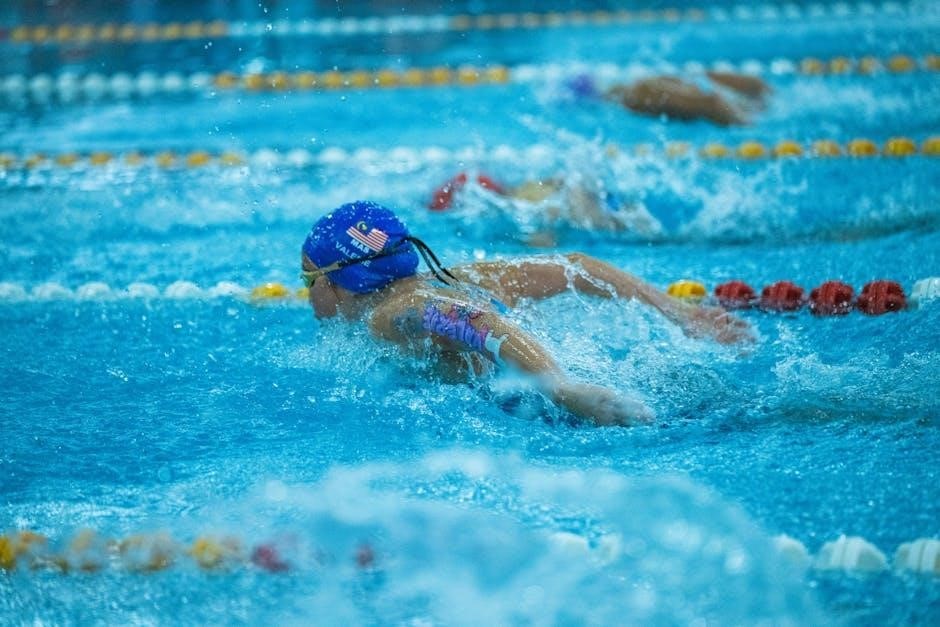
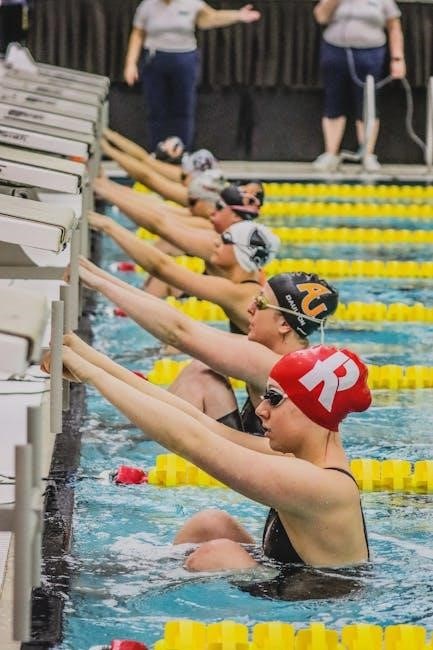
For example, football regulations differ significantly from those governing swimming and diving, encompassing aspects like permissible equipment, game length, and player contact rules. Basketball has its own distinct set of guidelines regarding shot clock timings and fouling procedures. These specialized rules are developed by the NCAA sport committees, comprised of coaches and administrators.
The manual provides comprehensive outlines for each sport, covering areas such as playing rules, officiating guidelines, and championship requirements. Institutions are obligated to thoroughly understand and enforce these sport-specific regulations. Regular updates and clarifications are issued by the NCAA to address emerging issues and maintain consistency across all competitions; Compliance with these rules is paramount for maintaining the integrity of each sport within Division I.
XVIII. Transfer Portal and Eligibility
According to the NCAA Division I Manual (updated 04/21/2026), the transfer portal has dramatically reshaped the landscape of collegiate athletics, providing student-athletes with increased flexibility in pursuing different opportunities. However, this freedom is coupled with stringent eligibility requirements outlined within the manual.
The portal itself is a centralized database where student-athletes intending to transfer can declare their intention, notifying their current institution and opening communication with other schools. Eligibility for immediate competition upon transfer is governed by specific exceptions, including a one-time transfer rule with defined criteria.
Generally, student-athletes transferring for the first time are required to fulfill a residency requirement, sitting out a full academic year before becoming eligible. Waivers may be granted under exceptional circumstances, such as documented hardship or unforeseen family emergencies. The manual details the waiver process and the supporting documentation required. Institutions must meticulously verify a transferring student-athlete’s academic standing and compliance with all NCAA regulations before granting aid or allowing participation.
XIX. Student-Athlete Welfare and Support
As detailed in the NCAA Division I Manual (updated 04/21/2026), prioritizing student-athlete well-being extends beyond athletic performance. The manual emphasizes a holistic approach, encompassing academic support, mental health resources, and comprehensive medical care. Institutions are mandated to provide resources that facilitate both athletic and personal growth.
Specifically, the manual outlines requirements for academic advising, tutoring services, and degree-completion assistance. Recognizing the unique pressures faced by student-athletes, institutions must offer accessible mental health support, including counseling services and proactive mental wellness programs.
Furthermore, the manual addresses medical expense insurance coverage, ensuring student-athletes have access to appropriate healthcare, including injury prevention, treatment, and rehabilitation. Institutions are responsible for establishing protocols for managing medical emergencies and providing ongoing medical monitoring. The NCAA also promotes educational initiatives focused on healthy lifestyle choices, substance abuse prevention, and responsible social behavior, all contributing to a supportive and nurturing environment for student-athletes.
XX. Mental Health Resources
According to the NCAA Division I Manual (updated 04/21/2026), recognizing the significant mental health challenges faced by student-athletes, institutions are now required to provide comprehensive and readily accessible resources. This includes a network of qualified mental health professionals, such as counselors, psychologists, and psychiatrists, specifically trained to address the unique stressors of collegiate athletics.
The manual emphasizes proactive mental wellness programs, designed to educate student-athletes, coaches, and staff about mental health issues, reduce stigma, and promote help-seeking behaviors. Institutions must establish clear protocols for identifying and responding to student-athletes in distress, ensuring timely intervention and appropriate care.
Furthermore, the NCAA encourages the integration of mental health services into existing athletic training and medical support systems. Resources should be culturally sensitive and inclusive, catering to the diverse needs of the student-athlete population. The manual also promotes collaboration with campus-wide mental health initiatives to create a comprehensive support network, fostering a positive and supportive environment for overall well-being.
XXI. Medical Expense Insurance
As detailed in the NCAA Division I Manual (updated 04/21/2026), institutions are mandated to provide medical expense insurance coverage to all scholarship student-athletes. This coverage must be equivalent to that offered to other students, ensuring comprehensive protection against injury and illness incurred during participation in intercollegiate athletics.
The manual specifies minimum coverage requirements, including provisions for physician visits, hospital stays, surgical procedures, and emergency medical care. Institutions are responsible for verifying that insurance policies meet these standards and for assisting student-athletes in navigating the claims process. Secondary insurance options are also encouraged to supplement primary coverage and minimize out-of-pocket expenses.
Furthermore, the NCAA emphasizes the importance of clear communication regarding insurance benefits and limitations. Student-athletes should receive detailed information about their coverage, including deductibles, co-pays, and pre-authorization requirements. Institutions must also maintain accurate records of insurance coverage for all student-athletes, ensuring compliance with NCAA regulations and protecting the well-being of their athletes.
XXII. Diversity, Equity, and Inclusion (DEI) Initiatives
According to the NCAA Division I Manual (updated 04/21/2026), a strong commitment to Diversity, Equity, and Inclusion (DEI) is paramount. Institutions are expected to foster environments that are welcoming and supportive for all student-athletes, coaches, and staff, regardless of race, ethnicity, gender, sexual orientation, or socioeconomic background.
The manual outlines expectations for DEI programming, including educational workshops, cultural awareness training, and initiatives to promote inclusive leadership. Institutions are encouraged to actively recruit and retain diverse coaching staffs and administrative personnel, reflecting the demographics of their student populations. Data collection and analysis are also emphasized, allowing institutions to assess progress and identify areas for improvement.
Furthermore, the NCAA promotes the establishment of student-athlete advisory committees (SAACs) that champion DEI efforts within their athletic departments. These committees provide a platform for student-athletes to voice their concerns and contribute to the development of inclusive policies and practices. Compliance with DEI principles is considered an integral part of institutional control and is subject to NCAA review.
XXIII. Future Trends and Manual Updates
As of the NCAA Division I Manual’s update on 04/21/2026, the collegiate athletics landscape is rapidly evolving. Key future trends necessitate continuous manual revisions to address emerging challenges and opportunities. The ongoing impact of Name, Image, and Likeness (NIL) regulations will require ongoing adjustments to ensure fairness and prevent undue influence.
The transfer portal’s increasing utilization demands refined eligibility standards and support systems for student-athletes navigating these transitions. Mental health awareness and resources are also expected to become increasingly prominent, prompting expanded guidelines for institutional support. Furthermore, the NCAA anticipates continued scrutiny regarding athlete welfare and safety, potentially leading to stricter regulations concerning practice schedules and competition formats.
The manual’s updating process involves input from various stakeholders, including athletic directors, coaches, student-athletes, and legal experts. Regular reviews and amendments are crucial to maintain the integrity of collegiate athletics and ensure a level playing field. The NCAA emphasizes proactive adaptation to maintain relevance and uphold its core principles.